Efforts to increase crop yields often focus on introducing improved seeds, fertilizers, irrigation, or mechanization. These interventions are frequently promoted as quick solutions to low productivity, especially in smallholder farming systems. While such inputs can deliver yield gains under favorable conditions, their performance is highly dependent on underlying soil properties. When soil constraints are ignored, yield interventions may produce disappointing or inconsistent results. This disconnect helps explain why farmers sometimes fail to see benefits from recommended technologies. Understanding soil limitations is therefore essential for interpreting why yield interventions succeed in some contexts and fail in others.
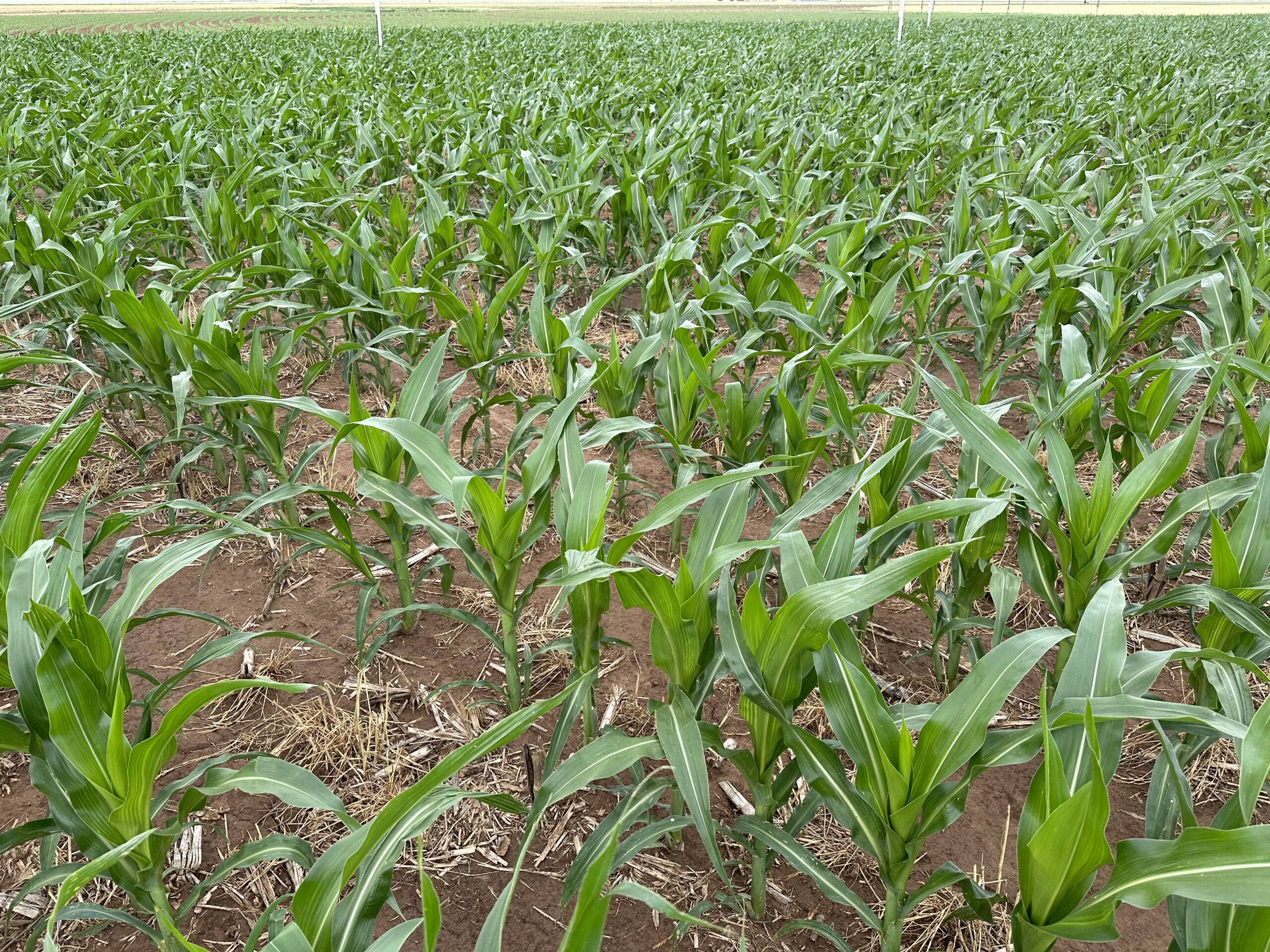
One common soil constraint is poor physical condition, including compaction, shallow rooting depth, and weak aggregation. These conditions restrict root growth and limit the soil volume that crops can exploit for water and nutrients. Even when fertilizers are applied at recommended rates, roots may be unable to access them effectively. As a result, nutrient use efficiency declines and expected yield gains do not materialize. Farmers may respond by increasing input rates, further raising costs without addressing the underlying problem. Yield interventions built on such soils often fail because physical constraints override input responsiveness.
Chemical soil constraints also play a major role in limiting the effectiveness of yield-enhancing technologies. Soil acidity, salinity, and nutrient imbalances can reduce crop growth even when fertilizers are supplied. For example, acidic soils can limit phosphorus availability and increase aluminum toxicity, suppressing root development. In these conditions, adding more fertilizer may have little effect on yield. Without diagnosing and correcting chemical constraints, yield interventions are applied blindly. This leads to frustration among farmers and skepticism toward extension recommendations.
Biological constraints are another frequently overlooked factor. Healthy soils host diverse microbial communities that support nutrient cycling, disease suppression, and root function. In degraded soils with low organic matter, biological activity is often reduced, weakening these processes. Crops growing in such soils may struggle to access nutrients efficiently, even when inputs are present. Yield interventions that ignore biological limitations fail to address this hidden dimension of soil function. As a result, the potential benefits of improved inputs remain unrealized.
Soil constraints also interact strongly with climate variability, further undermining yield interventions. In soils with low water-holding capacity, short dry spells can quickly induce crop stress, reducing responsiveness to fertilizers or improved varieties. Conversely, poorly drained soils may experience waterlogging during heavy rainfall, damaging roots and reducing nutrient uptake. Yield interventions designed without considering soil–climate interactions are therefore vulnerable to failure under variable conditions. Farmers may experience good results in one season and poor outcomes in another, reinforcing perceptions of risk. This variability discourages sustained adoption of new practices.
Another reason yield interventions fail is that they often assume uniform soil conditions across landscapes. In reality, soil properties can vary significantly within short distances, especially in smallholder systems. A technology that performs well on one field may fail on another nearby due to differences in soil depth, texture, or fertility. Blanket recommendations overlook this heterogeneity and increase the likelihood of poor outcomes. Farmers quickly recognize these inconsistencies, even if they are not framed in technical terms. Ignoring spatial soil variability undermines the credibility of yield-focused interventions.
Economic consequences further compound the problem when soil constraints are ignored. Farmers invest scarce resources in inputs with the expectation of higher yields and income. When returns fall short, financial losses can be significant, particularly for households with limited safety nets. Repeated negative experiences reduce willingness to invest in future interventions, even those that may be appropriate. In this way, soil-related failures can slow technology adoption and agricultural development more broadly. Yield interventions that do not account for soil constraints therefore carry both agronomic and economic risks.
From a research and extension perspective, addressing soil constraints requires a shift in emphasis from inputs to systems. Yield interventions should be preceded by soil assessment and diagnosis, even if simplified or qualitative. Integrating soil health indicators into extension advice can improve targeting and effectiveness. Long-term trials consistently show that yield gains are more reliable when soil constraints are addressed alongside input use. However, these insights are not always reflected in development programs or policy frameworks. Bridging this gap remains a critical challenge.
However, many yield interventions fail not because the technologies themselves are flawed, but because soil constraints are overlooked. Physical, chemical, and biological limitations can severely restrict crop response to improved inputs. Climate variability and soil heterogeneity further amplify these effects, increasing the risk of inconsistent outcomes. Ignoring soil constraints leads to wasted investments, farmer frustration, and stalled agricultural progress. Recognizing soil as a foundational component of productivity is essential for designing effective yield interventions. Sustainable yield improvement begins with understanding and managing the soil systems that support crop growth.


