
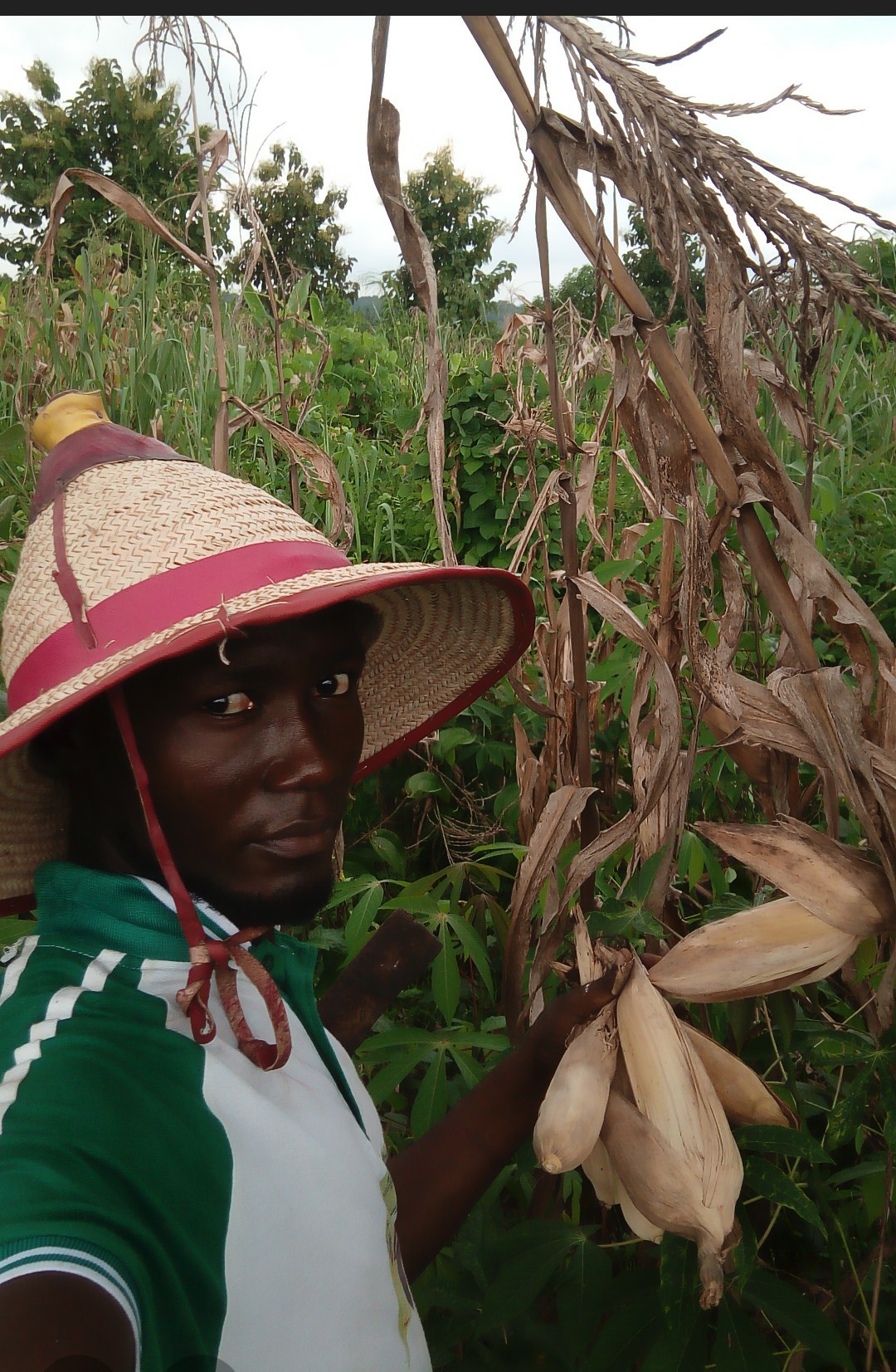
Crop diversification is widely promoted as a strategy to improve resilience, stabilize yields, and enhance farm sustainability. By growing multiple crops or rotating species over time, farmers are expected to spread risk and reduce dependence on any single crop. Research evidence from diverse agroecosystems shows that diversification can improve soil function, reduce pest pressure, and buffer farms against climate variability. However, diversification is often presented as a universally beneficial solution without sufficient attention to context. In practice, its outcomes depend on ecological, economic, and institutional conditions. Understanding both the benefits and limits of diversification is essential for realistic decision-making.
From a biophysical perspective, diversification can enhance soil health and resource use efficiency. Different crops interact with the soil in distinct ways, contributing varied residues, rooting patterns, and nutrient demands. Rotations that include legumes can improve nitrogen availability, while deep-rooted crops can access water and nutrients beyond the reach of shallow-rooted species. These complementary effects can reduce nutrient losses and improve system functioning over time. Diversification may also disrupt pest and disease cycles by breaking host continuity. Under favorable conditions, these mechanisms translate into more stable crop performance.
Diversification can also reduce exposure to climate risk by spreading production across crops with different sensitivities. Crops vary in their tolerance to drought, heat, and excess moisture, which can reduce the likelihood of total crop failure in a given season. When rainfall patterns or temperatures deviate from expectations, some crops may still perform reasonably well. This risk-spreading effect is particularly valuable in rain-fed systems facing high climate variability. Yield stability, rather than yield maximization, is often the primary benefit. For risk-averse farmers, this stability can be more important than higher average yields.
Despite these advantages, diversification introduces important economic trade-offs. Managing multiple crops often increases complexity, labor requirements, and management demands. Farmers may need additional knowledge, equipment, or inputs tailored to different crops. Market access also becomes more critical, as diversified production requires reliable outlets for multiple products. If markets are weak or prices volatile, diversification can reduce profitability rather than enhance it. These economic realities shape whether diversification is feasible and attractive at the farm level.
Land and resource constraints further limit diversification options, particularly for smallholder farmers. Limited land area may restrict the ability to allocate space to multiple crops without sacrificing scale or efficiency. In some cases, diversifying may mean replacing a relatively profitable crop with one that offers lower returns. Water availability, soil type, and topography also constrain which crops can be grown successfully. Not all combinations are agronomically compatible or economically sensible. As a result, diversification potential is often narrower than generalized recommendations suggest.
Institutional and policy environments strongly influence diversification outcomes. Extension services and development programs may prioritize a narrow set of staple crops, limiting exposure to alternative options. Input supply chains are often optimized for dominant crops, making it difficult to access seeds or inputs for less common species. Credit and insurance products may also be designed around monoculture systems, discouraging diversification. When institutions fail to support diverse systems, farmers face higher barriers to adoption. These systemic factors can undermine otherwise sound diversification strategies.
Evidence from long-term studies suggests that diversification benefits are most pronounced when integrated with broader system improvements. Diversification alone does not compensate for severely degraded soils, poor market access, or high climate risk. In such contexts, its effects may be modest or inconsistent. Conversely, when combined with soil restoration, appropriate input use, and supportive institutions, diversification can enhance system performance. This highlights the importance of viewing diversification as one component of a larger strategy. Isolated implementation is unlikely to deliver transformative outcomes.
There are also practical limits to how much diversification is desirable or necessary. Beyond a certain point, adding more crops can increase complexity without proportionate benefits. Farmers must balance risk reduction against manageability and economic returns. Optimal diversification levels vary by context and are shaped by farmer objectives, resources, and constraints. Uniform prescriptions ignore this variability and risk promoting inefficient systems. Recognizing limits allows diversification to be applied strategically rather than indiscriminately.
From a research and policy standpoint, the challenge lies in identifying where diversification adds value and where it does not. Context-specific evidence is needed to guide recommendations that align with local conditions. This requires moving beyond simple comparisons of diversified versus monoculture systems. Instead, analyses should examine how diversification interacts with soils, climate, markets, and institutions. Such an approach supports more targeted and realistic interventions. It also helps avoid overpromising benefits that may not materialize for all farmers.
Ultimately, crop diversification is neither a panacea nor a marginal practice, but a context-dependent strategy with clear trade-offs. Its benefits are real but conditional, and its limits are shaped by ecological and socioeconomic realities. Effective use of diversification requires aligning crop choices with system constraints and farmer goals. When applied thoughtfully, it can enhance resilience and stability without undermining profitability. When promoted uncritically, it can impose burdens that outweigh its advantages. A balanced understanding of diversification supports more grounded and sustainable agricultural development.


